

BY: AISHA YUSUF SABO, MARCH 16, 2025/ 08:57 AM
It still feels surreal that Ramadan has arrived again. We can all remember counting the days until Ramadan, and now here we are, already half way into Ramadan 1447AH. Many had planned for this blessed month but did not live long enough to witness it. Others started with us but are no longer here today. This is a moment we should not take for granted, as some of us may not live to see Eid. How humbling!
The word "Ramadan" is derived from the Arabic root R-M-Ḍ (ر-م-ض), which translates to "scorching heat." The Classical Arabic verb "ramiḍa" (رَمِضَ) means to become intensely hot, to blaze, or to glow .
In recent years, Ramadan coincides with Maiduguri's intense temperature, often exceeding 40°C, the very meaning of Ramadan aligning with the weather we experience as it reflects a scorching heat both in the atmosphere and within ourselves during the thirteen long hours of fasting. No doubt, fasting in such heat encourages patience, perseverance, and gratitude as we endure dehydration and hunger while also focusing on our spiritual growth.
Like in all aspects of life, the resilience of the people of Maiduguri is unmatched. Despite the extreme weather condition, life continues as usual with people maintaining their daily routines, engaging in all acts of worship, and upholding social obligations.
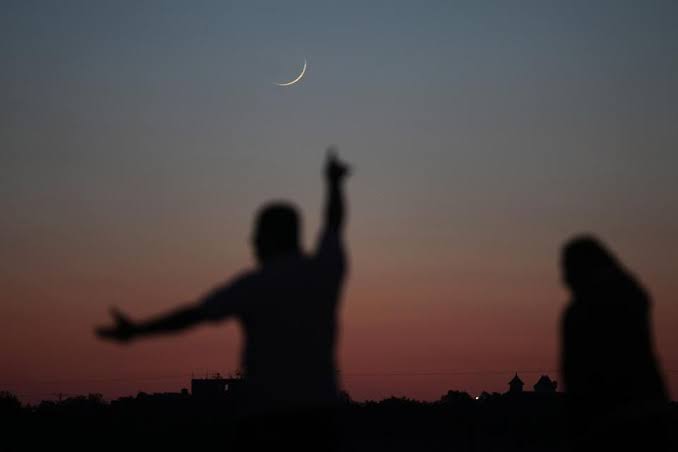
From the moment the crescent moon is sighted, there is a certain energy that fills the air in a way one can tell it's Ramadan season by the excitement all over. The most notable indications are the call to prayer (Adhan) at dawn, signaling the time for suhoor, and the call in the evening, marking the moment to break the fast (Iftar). There are also charitable activities like distribution of food stuffs such as rice, sugar, millet, dates and others to the less privileged in the community. In the evenings, most households are filled with the sound of Evening Tafsir, broadcast by one sheikh or the other either on the radio or TV, and also the recitation of the Qur’an.
Ramadan, being a time not only for personal reflection but also for communal unity, families come together for Iftar, while in other cases, men converge in the masjid for Iftar meals, often composed of traditional foods such as kosai, sinasir, maasa, moimoi, mordam, kunun gyada, zobo drink, ginger drink, among others.
There is also Taraweeh prayer, a voluntary prayer performed after the obligatory Isha (night) prayer, often in congregation where men, women, young and old walk to various masjid to pray.
May the blessings of this month find us all. I pray that we all find relief, restoration, and deep fulfillment in this blessed month. Aamin.