

BY MUSA IDRIS UMAR, AUGUST 17, 2025 | 09:01 AM
Women, children, and other vulnerable groups in Borno State are facing an escalating humanitarian crisis in 2025, as a combination of natural disasters, disease outbreaks, and resurgent insecurity threaten lives and livelihoods.
While food shortages and malnutrition remain headline concerns, recent reports from humanitarian agencies and rights groups reveal that the crisis extends far beyond hunger.
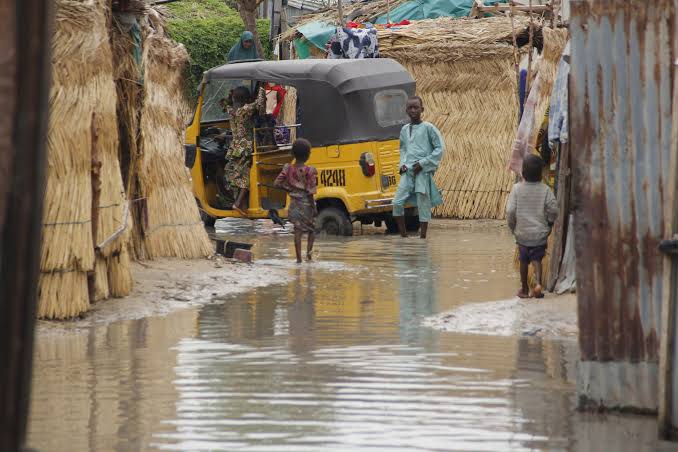
In September 2024, the collapse of the Alau Dam triggered the worst flooding in Borno in decades, displacing over 400,000 people, killing 150, and submerging 70% of communities.
The floodwaters contaminated water sources, increasing the risk of cholera and typhoid, while damaged sanitation infrastructure compounded the health emergency.
This year, the diphtheria outbreak that swept across Nigeria has continued to affect Borno, with thousands of unvaccinated children at risk.
By February 2025, the outbreak had claimed 1,264 lives nationwide, most of them children.
Adding to the health and environmental crises, insecurity remains a pressing threat.
Governor Babagana Umara Zulum of Borno State raised an alarm about the regrouping of Boko Haram insurgents in the Tumbus areas of Lake Chad and the Mandara Hills within the Sambisa Forest four months ago, specifically on April 25, 2025.
The resurgence of attacks in Borno State, has increased kidnappings, attacks on farmers, and assaults on military positions.
In a recent incidents, a teenage girl was abducted in Kirawa community near the Cameroonian border in early August 2025.
According to multiple reports, the armed insurgents stormed the village at night, targeting the girl’s home and taking her away on a motorcycle.
Residents fear this could signal a fresh wave of targeted abductions in border communities that had previously enjoyed relative calm.
For women and girls, the situation is even more dire.
A United Nations report released in January 2025 highlighted ongoing abductions, forced marriages, recruitment of child soldiers, and attacks on schools and hospitals.
Many survivors of captivity—particularly those who were forced into marriage—say they have been left without education, shelter, counseling, or livelihood support.
Amnesty International described the government’s response as “unacceptable” (Amnesty International).
The economic fallout of conflict and displacement has also pushed many girls into child labor, including domestic work and street hawking, heightening the risks of abuse, trafficking, and exploitation.
With the rainy season, aid agencies warn that without urgent interventions in health, education, security, and livelihoods, the cycle of crisis will only deepen for Borno’s most vulnerable.
Lake Chad Times will continue to monitor developments and amplify the voices of those most affected.