

BY: ABDULKADIR M LAWAN, AUGUST 27, 2026/ 10:54PM
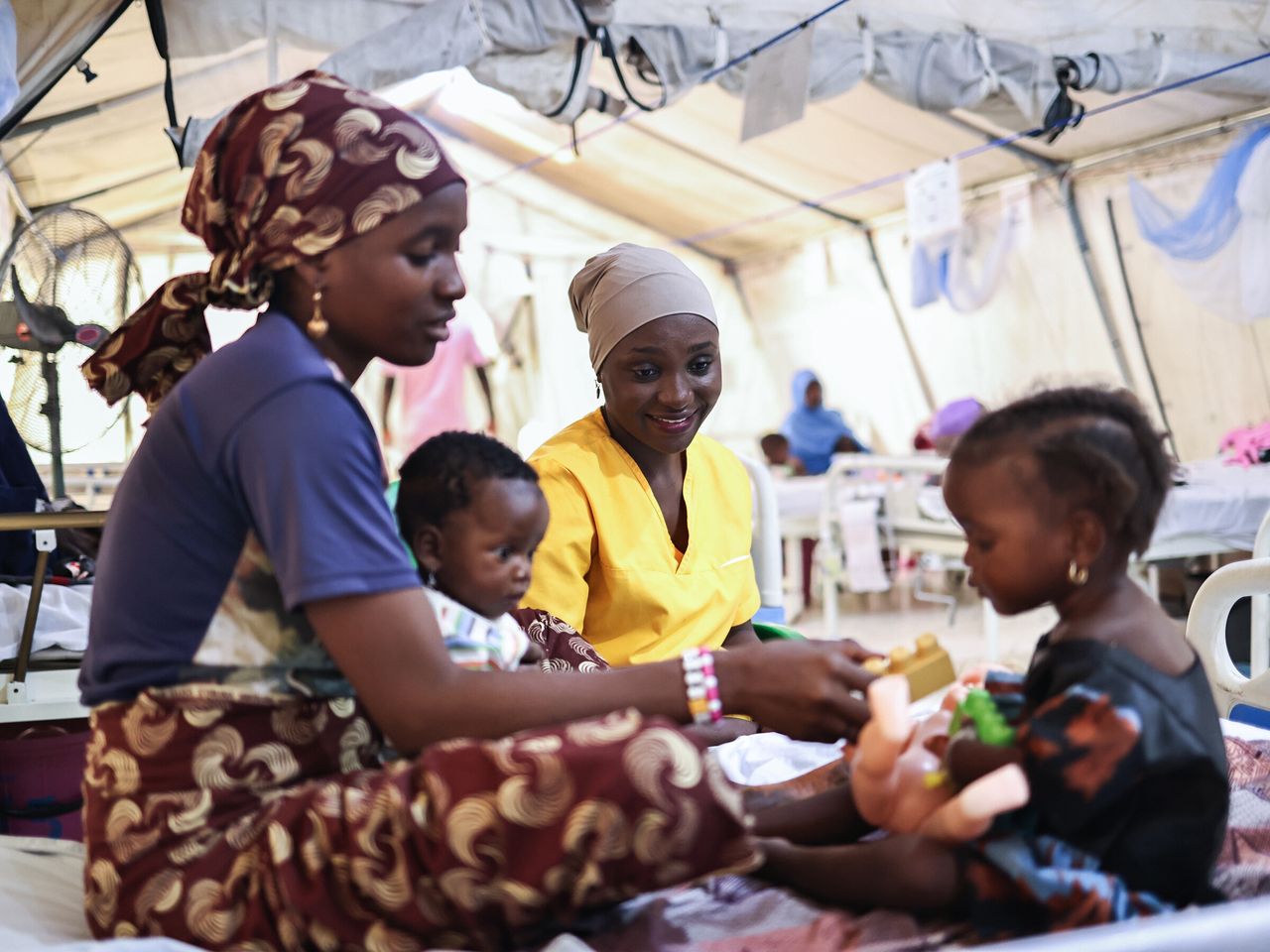
When 23-month-old Aisha was admitted to a Médecins Sans Frontières (MSF) nutrition facility in Maiduguri after battling meningitis and repeated convulsions, her mother, Fatima Ibrahim, stayed by her side.
Three weeks later, Aisha’s condition had improved, but Fatima remained worried about the eight children she had left at home.
‘I am worried about my children,’ Fatima said.
‘There is no one to take care of my children, their father is away, and they do not have anything to eat or drink.’
Her concern grew after she learned that one of her children at home had developed a fever and that the family had no money for treatment.
Fatima’s situation reflects the challenges faced by caregivers of children receiving treatment for severe malnutrition in northern Nigeria.
While their sick children receive care at health facilities, many caregivers must also worry about the children, food, and other responsibilities they have left behind.
At MSF’s Nilefa Kiji nutrition facility in Borno State, caregivers can spend weeks beside their children while they receive treatment for severe acute malnutrition and related illnesses.
For mothers like Fatima, remaining at the facility means being separated from the rest of their families at a time when those at home may also need their care.
The pressure can leave caregivers struggling between staying with a sick child and returning home to care for their other children.
Kethurah John, an MSF counselor educator who works with caregivers, said some mothers struggle to remain at the facility because of their responsibilities at home.
‘A woman once told us that her husband called her and told her that he was tired of taking care of the children, so he left the children with the neighbors,’ Kethurah said.
She said the woman eventually left the hospital because she had six other children at home and could no longer cope with the situation.
‘Every day when she is given food, she cries because she is thinking of her children, maybe they can’t get that,’ Kethurah said.
The experience highlights the emotional and practical difficulties caregivers can face while their children undergo treatment.
According to MSF, nearly 6.4 million children under five suffer from acute malnutrition across Nigeria’s Northeast and Northwest regions.
Children with severe acute malnutrition may also develop illnesses such as measles, diphtheria, and malaria because malnutrition can weaken their immune systems.
Treatment for severe acute malnutrition can last from one week to a month, keeping caregivers at health facilities for extended periods.
MSF has incorporated mental health and psychosocial support into its nutrition programs to help caregivers manage the pressure associated with their children’s illness.
Caregivers receive psychological first aid, individual counseling, and group sessions where they can discuss their concerns and learn coping strategies.
The program also includes structured play activities for children during their recovery.
In some cases, counselors help caregivers contact relatives by phone or arrange supervised home visits so they can check on their families before returning to complete their children’s treatment.
Kethurah said some caregivers regain hope as they see their children recover, with some returning after discharge to show how their children have improved.
‘For us, those moments remind us that caring for the caregiver is also part of caring for the child,’ she said.
For Fatima, however, Aisha’s recovery has not ended her worries about her family.
Her daughter is getting better, but eight children remain at home waiting for their mother.
Fatima’s story shows how a child’s treatment can place additional pressure on caregivers who must remain by the hospital bed while continuing to worry about the children and families they left behind.