

BY: ABDULKADIR M LAWAN
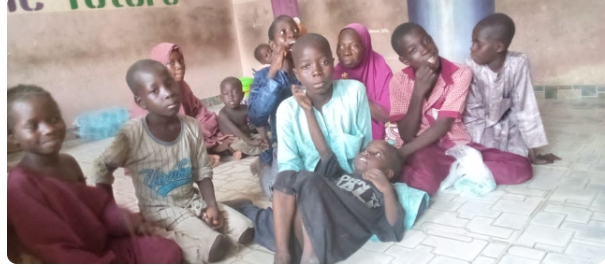
In response to the devastating floods that displaced thousands in Borno State, the United Nations Children's Fund (UNICEF) has launched a radio-based learning initiative, benefiting over 10,000 children in internally displaced persons (IDP) camps.
UNICEF Chief of Maiduguri Field Office, Dr. Gerida Birukila disclosed this on Wednesday during the commemoration of World Children's Day in Maiduguri.
Quality education is essential for the cognitive development, emotional well-being, and future opportunities of children affected by the floods.
Education provides stability and hope, helping break the cycle of poverty and violence that often accompanies displacement.
Moreover, addressing the medical needs of displaced children is critical. Children in IDP camps are more susceptible to waterborne diseases, malnutrition, and mental health issues. Providing healthcare services mitigates the long-term effects of displacement and trauma.
The recent flooding, triggered by heavy rainfall, windstorms, and the overflow of the Alau Dam and River Yadzaram, severely impacted education and healthcare.
According to a report by UNOCHA, the flooding in Dikwa alone directly affected 3,907 households, totaling 24,676 individuals across 12 internally displaced person (IDP) camps and the reception center in Dikwa LGA.
Additionally, 483 households, comprising 2,437 individuals, were displaced from Shuwari and Moulanda/Kanumburi Jaja communities.
The disaster also caused significant damage to camp infrastructure, including shelters, safe spaces, and critical WASH facilities.
To address this crisis, UNICEF's radio learning classes are currently being conducted in Dikwa and Gubio IDP camps, providing vital access to education for displaced children.
Supporting these children is crucial for their future and regional stability. Educated and healthy children are the foundation of a peaceful and prosperous society.
The state government is taking steps to address this issue by rebuilding and rehabilitating damaged schools and constructing new ones to address the education gap for out-of-school children.
International organizations, local authorities, and communities must collaborate to ensure these children receive necessary support.
Prioritizing education and healthcare empowers resilient young individuals to rebuild their lives and communities.
Every child deserves access to quality education and healthcare, regardless of circumstances. Urgent action is needed to protect their rights and secure their future.