

BY: NANA FATIMA ABDULLAHI
Weeks after devastating floods swept through Maiduguri, the capital of Borno State, the city's residents continue to grapple with the aftermath.
Triggered by heavy rains, structural deficiencies, and overflow from the Alau Dam, the flooding displaced thousands, destroyed homes, farms, and infrastructure, and left a trail of destruction.
As the harmattan season approaches, affected families face an increasingly dire situation. With inadequate shelter, food, and clean water, they are vulnerable to diseases such as cholera and malaria.
Women and children, who make up the majority of the displaced population, are particularly at risk.
In an interview with this reporter, residents in Gwange, 505, and Custom Areas recounted their experiences.
'The water came so fast that we couldn’t save anything but ourselves.
'We have been on the rooftop for two days before we were rescued, our house collapsed, and now we are left with nothing,' Usman Ali, a father of six said.
The destruction was not limited to homes. Farmlands, a critical source of livelihood for many, were submerged, wiping out crops and leaving farmers destitute. Although schools, health centers, and marketplaces were damaged, they have since reopened.
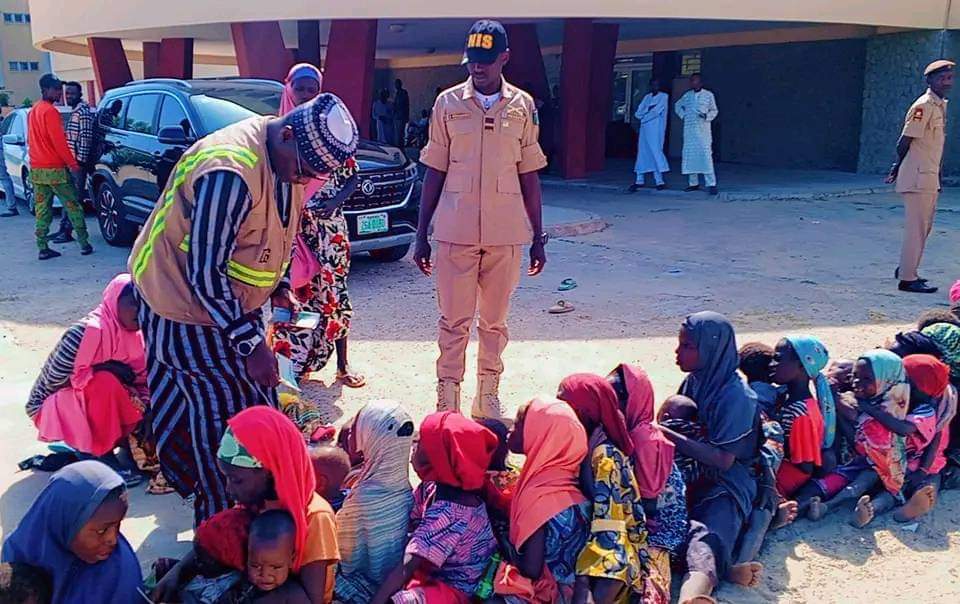
In the aftermath, thousands of families have been forced to take refuge in makeshift shelters, overcrowded camps, or the homes of relatives. These temporary accommodations offer little relief, lacking basic amenities such as clean water, sanitation, food, and electricity.
As harmattan approaches, the challenges for flood victims are set to escalate.
Displaced families lack adequate shelter, blankets, and warm clothing to protect against the cold. Infants, the elderly, and those already weakened by hunger and disease are most at risk.
'We need blankets, warm clothing, and shelter to protect ourselves from the cold.
'Every night, the children shiver from the cold, we need help before the harmattan makes things worse,' Ibrahim Sani, a farmer who lost his home and crops to the flood.
According to Halima Ibrahim, a mother of four who lives in an uncompleted building, the government gave them some food during the flood, but since then, they have heard nothing.
'We are on our own, and now the cold is season has started,' she said.
While the government has been making efforts to provide relief to the affected communities, many residents feel that more needs to be done to address the scale of the disaster.
'The government is doing its best, but there is still a lot of work to be done, we need more support, especially as the harmattan season approaches,' Ali added.
The government and humanitarian organizations must act to address the urgent needs of flood victims and prevent further tragedy.
While the immediate response has been insufficient, there is still an opportunity to alleviate the suffering of affected families and build resilience against future disasters.
For the displaced residents of Maiduguri, survival remains a battle, but with timely intervention and collective effort, their story can shift from one of despair to recovery and hope.
The time to act is now before the cold winds of harmattan turn their struggle into an even greater tragedy.