

BY EMMANUELLA OMALE, AUG 24, 2025 | 10:44PM
Wukari Local Government Area (LGA), located in the southern region of Taraba State, Nigeria, is a community that thrives on agriculture, local trade, and a strong sense of cultural identity. However, in recent years, Wukari has begun to face an escalating threat of climate change. The impact is not distant or abstract; it is real and present and affects the day-to-day lives of people in profound ways.
Disrupted Weather Patterns: Climate change has led to unpredictable weather conditions in Wukari. Traditionally, farmers could rely on the timing of the rainy and dry seasons to guide their agricultural practices. Today, those once-consistent patterns have become erratic. The rains often come late, end too early, or fall with unexpected intensity, damaging young crops or delaying planting entirely.
Farming, which is the economic lifeblood of the area, is now becoming a risky venture. Crops such as yam, maize, cassava, and millet are experiencing lower yields due to inconsistent rainfall and prolonged dry spells. These changes make food production uncertain and threaten the livelihoods of thousands who depend on agriculture for income and sustenance.
Flooding and Soil Erosion
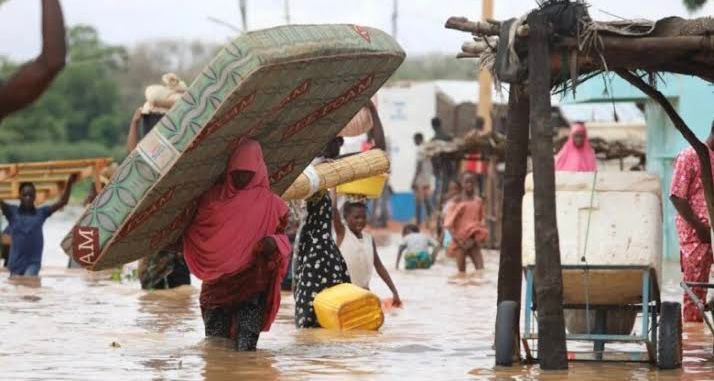
Ironically, even as drought becomes more frequent, so do floods. In recent years, Wukari has witnessed unusually heavy downpours that lead to flash flooding. Farmlands are washed away, roads are destroyed, and homes are submerged. Infrastructures not built to handle such extremes are crumbling under pressure.
Communities like Rafin Kada, located near the Donga River, have faced repeated river overflows damaging crops and homes. Kente, a farming hub, is battling both erosion and flooding, reducing soil fertility. Chonku and Gidan Idi have experienced flash floods that displaced families and damaged infrastructure. Even parts of Wukari town itself are affected, with blocked drainage and waterlogged streets after heavy rains.
Flooding is made worse by the widespread cutting of trees for firewood or farming, leading to deforestation. Without tree cover, the soil becomes loose and easily eroded. Rivers overflow more easily, and their banks collapse. The consequences are devastating: reduced land fertility, displacement of families, and increased poverty.
Water Scarcity and Public Health
Water, a basic necessity of life, is becoming harder to access in Wukari. Many communities rely on streams and shallow wells, which are drying up more rapidly during the dry season. In some areas, people have to walk longer distances just to fetch water most of the time, it's not even clean.
Contaminated water sources have led to a rise in waterborne diseases such as cholera, typhoid, and diarrhoea. During the flood season, stagnant water becomes breeding grounds for mosquitoes, increasing the risk of malaria. Health centres, already under strain, are overwhelmed with cases that could be prevented if water and sanitation systems were more resilient.
Economic Impact and Migration
When crops fail and water becomes scarce, the economic ripple effects are enormous. Food becomes more expensive, families earn less, and savings are quickly depleted. Young people in Wukari, facing fewer economic opportunities at home, are migrating to urban areas in search of work. This rural-to-urban migration adds stress to cities and breaks up local communities.
In some cases, conflicts over farmland and water resources have also increased. As natural resources become scarcer, competition for them grows fiercer. This poses a risk to community harmony and security, especially in rural areas where traditional conflict resolution mechanisms may not always be sufficient.
The Human Face of Climate Change
The effects of climate change in Wukari are more than just environmental, they are deeply human. Farmers are losing their livelihoods. Children are missing school to help their families fetch water or rebuild after floods. Elderly residents suffer from heatwaves and deteriorating health conditions without access to care.
One resident, Mr. Tersoo, a farmer in Wukari Local Government Area, in his late 50s, shared, “We used to know when to plant and when to harvest. Now we guess. Sometimes we lose everything.” His story is echoed by many others across the LGA who feel the ground shifting literally and figuratively beneath their feet.
Leadership and the Way Forward: Thankfully, local leaders are beginning to acknowledge the seriousness of the issue. In a recent policy workshop held in Jalingo, the Governor of Taraba State, Dr. Agbu Kefas, stated:
“We must recognize that climate change is not just an environmental issue; it is a multifaceted challenge that affects our economy, health, and the future generation.”
This recognition is crucial, but acknowledgement alone is not enough. Action is needed, and it must come from multiple fronts: government, civil society, local communities, and even individuals.
Solutions and Hope
Despite the challenges, there are solutions. Here are some key steps that can help Wukari adapt to climate change:
Community Education: Raising awareness about climate change, its causes, and its solutions is vital. Schools, churches, mosques, and town meetings can all serve as platforms for environmental education.
Climate-Resilient Farming: Encouraging the use of drought-resistant crops, irrigation systems, and improved farming techniques can help farmers cope with new weather realities. Agricultural extension services need to be strengthened to provide timely support.
Infrastructure Development: The construction of flood-control systems, improved drainage, and better road networks will reduce the physical damage caused by extreme weather.
Water Management: Boreholes, rainwater harvesting systems, and water purification technology should be provided to ensure access to clean water.
Afforestation and Land Protection: Tree planting campaigns can restore degraded lands and reduce erosion. Protecting existing forests and creating green zones around rivers and farmlands will improve environmental resilience.
Policy Implementation and Funding:
Taraba State's climate policy should not remain on paper. It needs adequate funding and strong implementation frameworks. Development partners, NGOs, and donor agencies can assist with financial and technical support.
However, The impact of climate change in Wukari LGA is not just a warning. It’s a reality. From failing crops to flooded homes, from water shortages to increased disease, the signs are everywhere. But while the situation is urgent, it is not hopeless.
With leadership, community action, and sustainable practices, Wukari can adapt and even thrive in this new era. The people of Wukari are resilient, and with the right support, they can turn this crisis into an opportunity for innovation, cooperation, and long-term growth.
The world is watching how local communities respond to global challenges. Wukari can be a model of rural climate resilience in Nigeria if we act now.
Emmanuella is a graduate of Federal University Wukari Taraba state and is currently a serving corps member in the Institute for Peace and Conflict Resolution, Abuja. She writes via emmanuellaomale90@gmail.com