

BY MUSA IDRIS UMAR, DECEMBER 28, 2025 | 10:24 AM
Over the past decade, northeastern Nigeria has remained a hotspot for extremist violence, with Maiduguri and surrounding communities witnessing repeated suicide attacks and the systematic exploitation of children by Boko Haram and its splinter faction, Islamic State West Africa Province (ISWAP).
From 2015 to 2024, suicide bombings claimed hundreds of lives across Borno State, leaving deep scars on civilian populations and public institutions.
In March 2015, coordinated suicide blasts in Maiduguri killed at least 58 civilians, while subsequent attacks in Monguno, Dalori, and Konduga further increased the death toll.
In June 2024, multiple suicide explosions struck Gwoza, killing at least 32 people and injuring dozens after targeting a wedding, a funeral, and a hospital.
Female suicide bombers were frequently used in these attacks, underscoring insurgents’ continued reliance on coercion and manipulation to execute violence.
International organizations, including UNICEF, have documented the persistent use of children as so-called “human bombs” across the Lake Chad region.
Since 2014, more than 100 children, mostly girls, have been forced into suicide attacks, according to UN and humanitarian data.
Beyond suicide missions, abducted children have suffered forced marriages, sexual violence, psychological abuse, and prolonged captivity.
NGO and UN reports further indicate that the insurgency displaced about 1.3 million children and led to the destruction or closure of thousands of schools, disrupting education and exposing children to long-term trauma.
Amnesty International and UNICEF have repeatedly urged Nigerian authorities and international partners to strengthen child protection systems, expand psychosocial support, and prevent further recruitment of children by extremist groups.
The decade-long conflict highlights the urgent need for sustained security action, humanitarian intervention, and comprehensive rehabilitation programs to protect vulnerable communities.
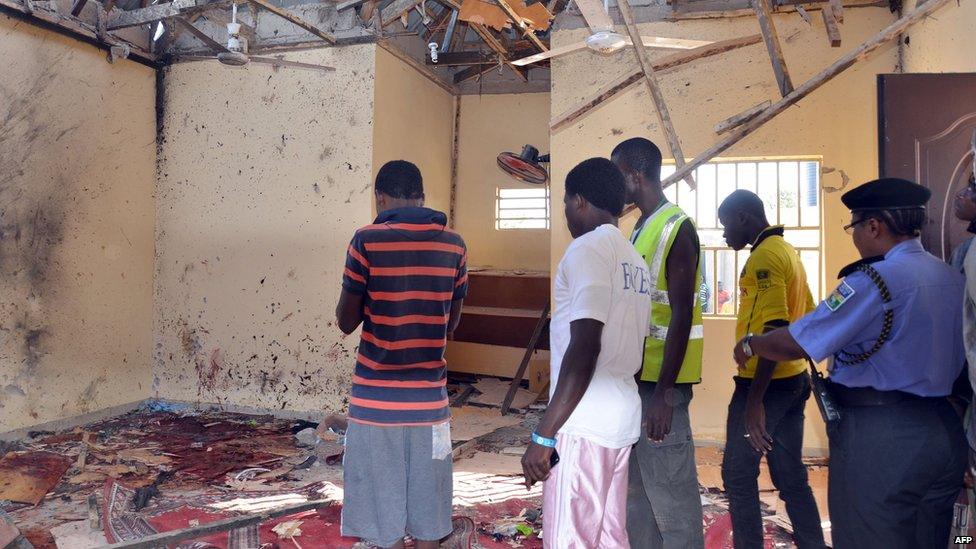
The grim trend continued this week in Maiduguri, when a suicide attack carried out by a small boy killed at least five worshippers during evening prayers at Al-Alim Mosque in Gomboru Market.
The explosion occurred on Wednesday evening during Maghrib prayers, after the child reportedly disguised himself as a worshipper and entered the mosque unnoticed.
Witnesses said the bomber detonated an explosive device while worshippers were in prostration, killing himself instantly along with one worshipper at the scene.
Medical sources later confirmed that four additional victims died at the Borno State Specialist Hospital, while another body was confirmed at the University of Maiduguri Teaching Hospital, bringing the death toll to six, including the bomber.
Officials of the National Emergency Management Agency and the State Emergency Management Agency said at least 22 injured persons are receiving treatment at the State Specialist Hospital, with others admitted to General Mohammed Shuwa Hospital and the University of Maiduguri Teaching Hospital.